Magical Mycelium: The White Fuzz That Means Your Bokashi is Alive
What is the white fuzz atop your bokashi and why is it such a good sign?
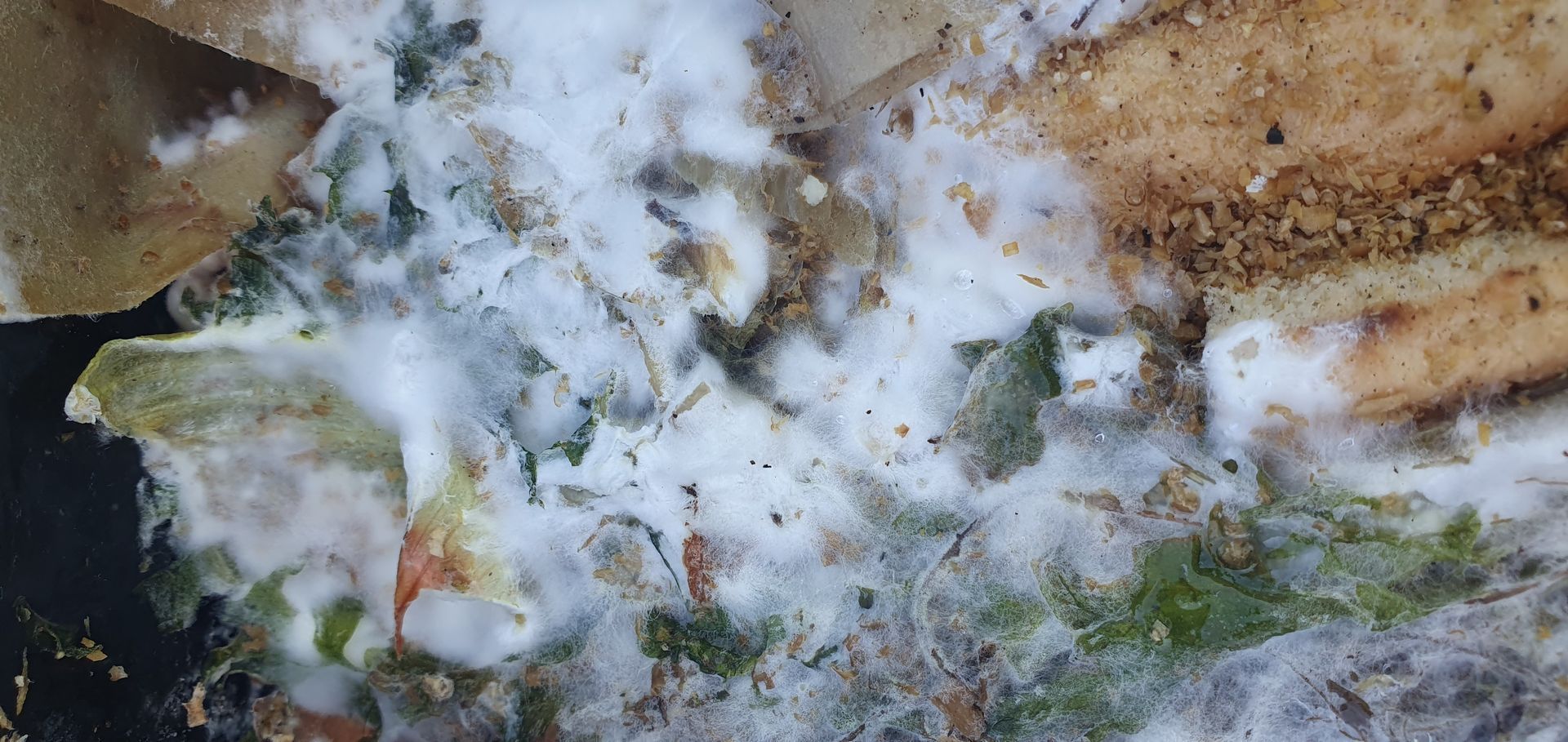
You open your bokashi bucket…and pause...there it is again, that soft white fuzz sitting on top of your food scraps.
For many people, that moment brings a bit of doubt: Is this right? Is something going wrong? Should I throw it out?
But in bokashi composting, that white fuzz is actually one of the best signs you can see. It means your system is alive and working as it should. What you are seeing is
mycelium, and it plays a much bigger role in nature than most people realise.
What exactly is mycelium?
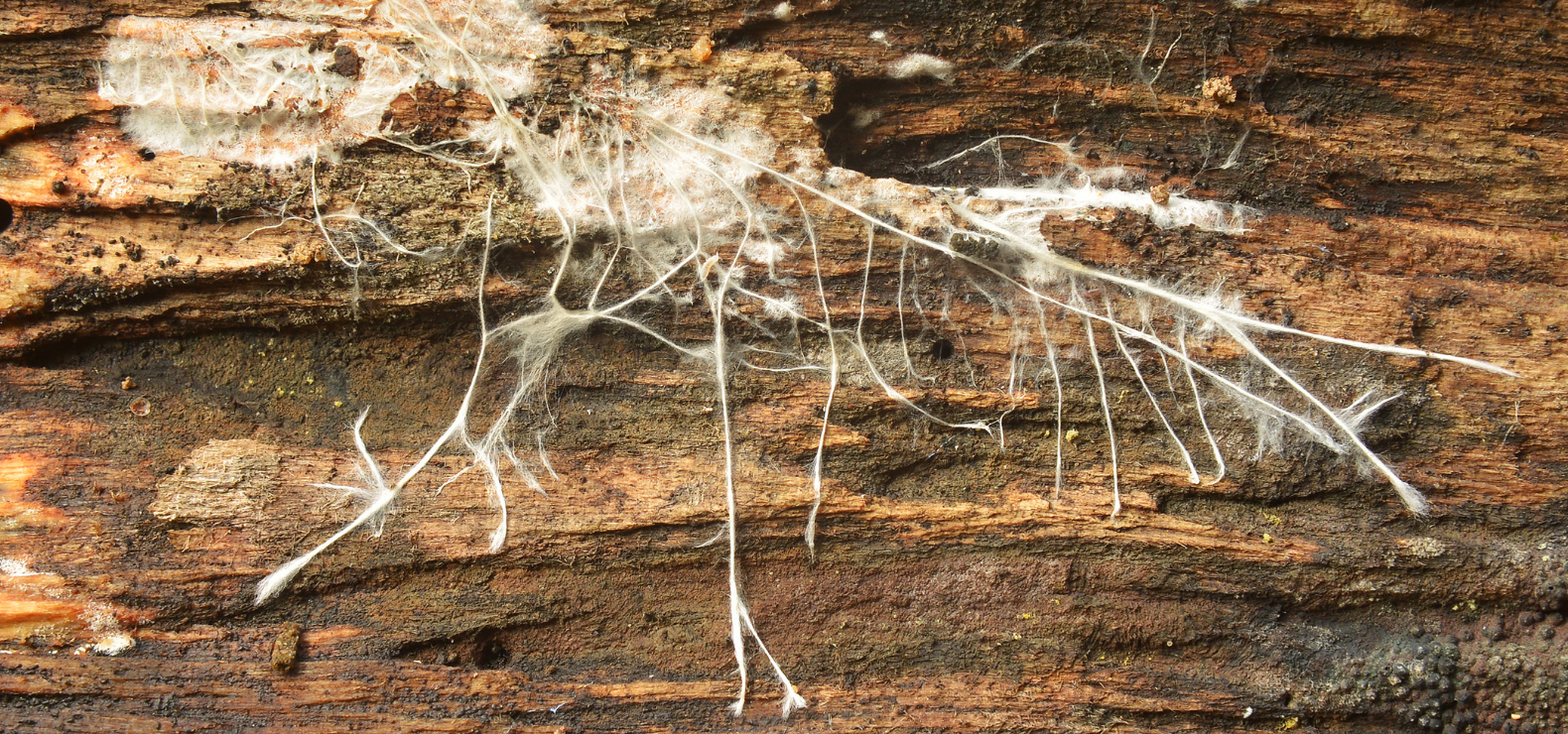
Mycelium is the hidden root system of fungi. It is made up of tiny thread-like structures called
hyphae that spread through organic material like an underground network.
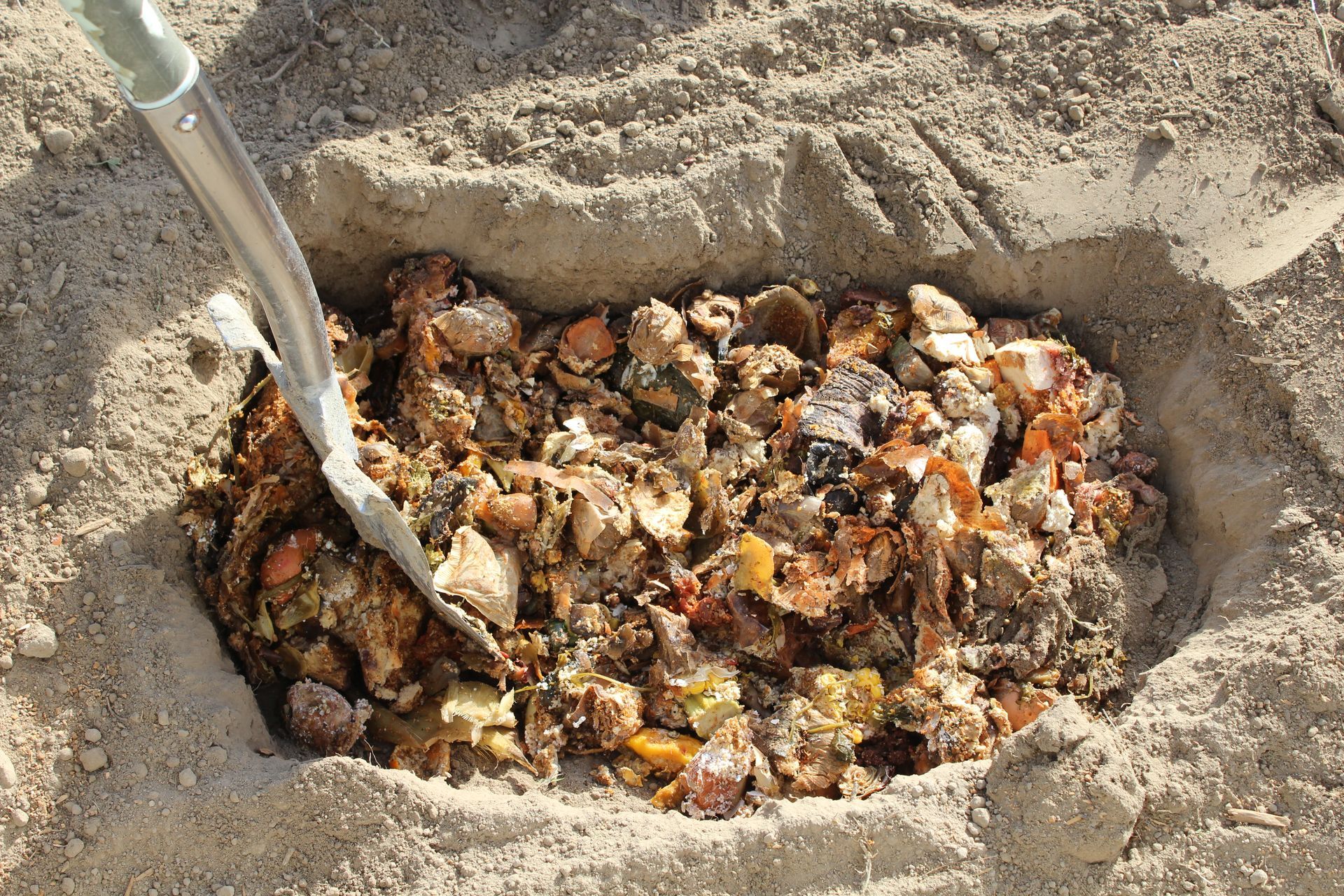
Even though it looks soft and delicate, it is anything but weak. These fungal threads are strong enough to push through soil, wood, and dense organic matter as they grow and expand. When conditions are right (such as those inside your ZingBokashi bucket) mycelium becomes visible as a cottony white layer sitting on top of your fermenting food waste. You may even see fine white specks running through the scraps themselves. This is important as the presence of mycelium means your bokashi is active, rich, and fermenting exactly as it should be.
Why does mycelium appear in your bokashi bucket?
Your ZingBokashi system has been specifically designed to create a carefully balanced environment. It’s anaerobic, packed with organic material, and has optimal moisture levels. These are the perfect conditions for beneficial microbes and fungi to thrive. When everything is balanced, mycelium begins to grow. The richer the growth medium, the more mycelium you'll see.
This hard worker feeds on the food scraps in your bucket, releasing natural enzymes that help break everything down into simpler compounds. This is not rot or decay in the harmful sense: it is controlled fermentation. What you are actually seeing is nature doing exactly what it is designed to do: recycle organic matter cleanly and efficiently.
The quiet work happening inside your bucket.
While it may look like nothing much is happening when the lid is closed, underneath the sealed surface there is constant transformation taking place. Mycelium works quietly alongside beneficial bacteria, breaking down food scraps into a stable, pre-compost material, ready for soil organisms to complete the process. This is why a healthy bokashi bucket doesn’t smell rotten. Instead, it should have a slightly sour, tangy, or pickled aroma - a clear sign fermentation is working well.
When mould is a good sign (and when it’s not).
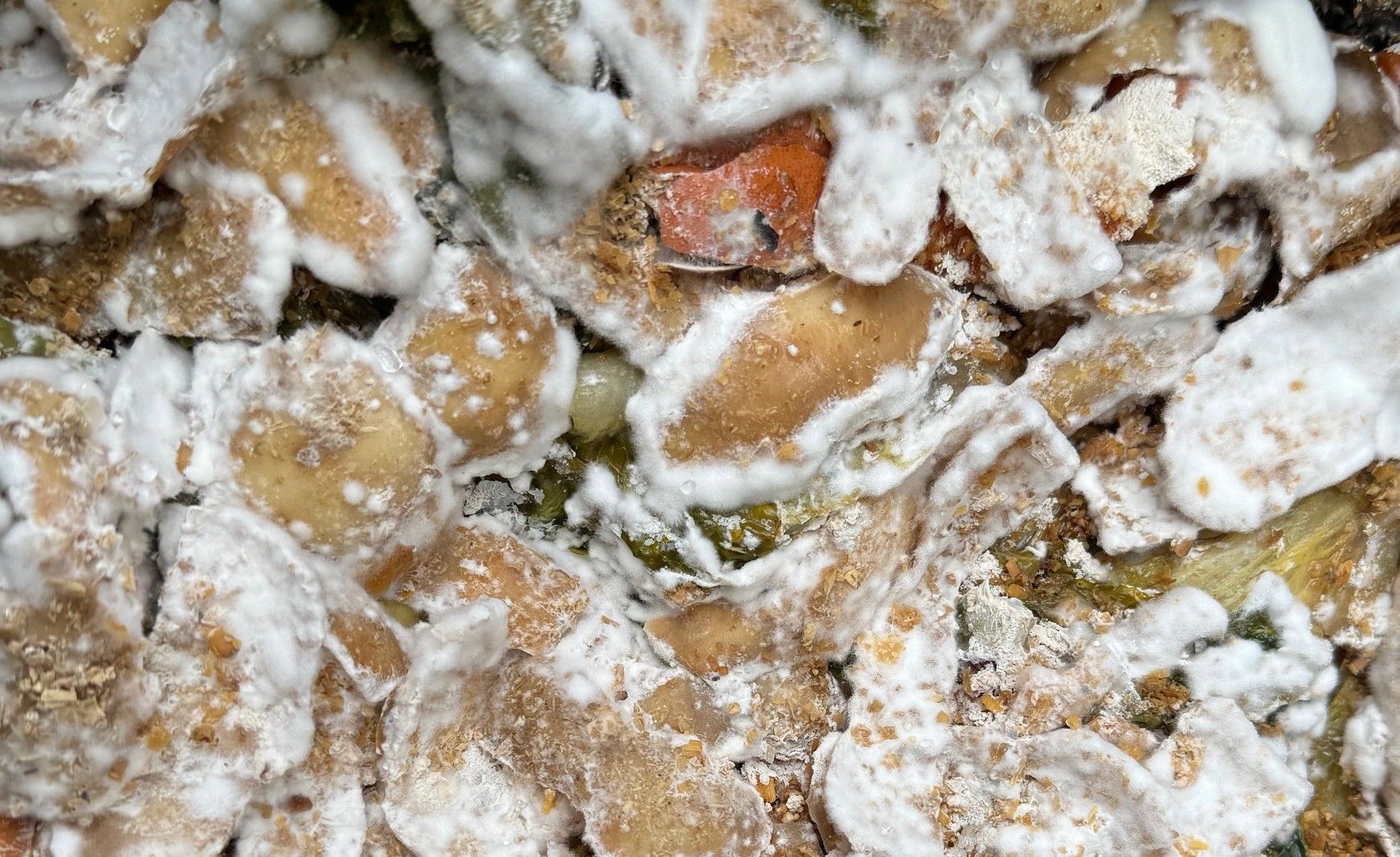
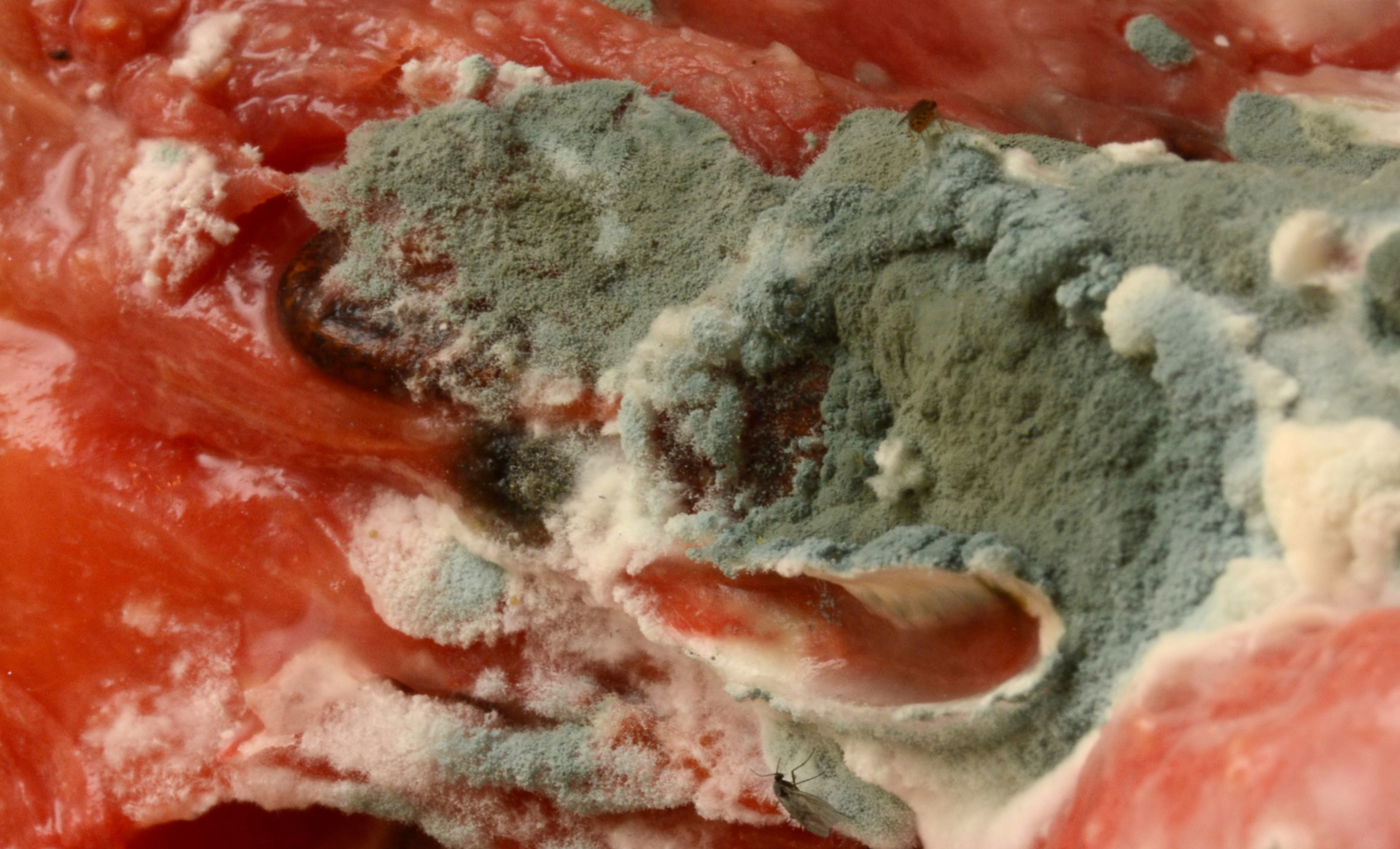
One of the most reassuring things to know is this: white mould in bokashi is normal. It is a sign that fermentation is working properly and the microbial balance is healthy. However, not all mould is a welcome sight!
White, fluffy growth is beneficial and shows active fermentation, whereas dark green, black, or foul-smelling mould usually indicates that air has entered the system or conditions are out of balance. In a well-managed bokashi bucket, white is what you want to see!
Once your bokashi bucket is full, the magic continues!
When you bury or add your fermented pre-compost to soil, the mycelium doesn’t stop working. It becomes part of the underground ecosystem, interacting with soil microbes, worms, and plant roots. Things get even more fascinating as mycelium forms relationships with plants through what scientists often call the “wood wide web”, a natural underground network that connects plant roots.
Through this network, plants and fungi exchange nutrients: plants provide sugars created through photosynthesis, while fungi help plants access water and nutrients deep in the soil. In some cases, plants can even send chemical signals to each other through these networks, helping neighbouring plants respond to stress or disease.
Why this matters for your garden (and the planet).
Beyond what you see in your garden, mycelium plays a quiet but powerful role in the environment. As organic matter breaks down, carbon becomes part of the soil instead of being released back into the atmosphere. Mycelium helps stabilise this carbon, locking it into the soil for longer periods. This improves soil health, supports plant growth, and contributes to long-term soil fertility. Healthy soil isn’t just better for gardens, it’s part of a much bigger global cycle that supports life on earth.
Do you need to add fungi to your bokashi?
Some gardening retailers sell mycorrhizal fungi as an additive to improve soil health and plant growth. But bokashi has already given you a head start by literally growing this in your bucket! By planting on top of buried bokashi, it gives new plants an instant connection into the fungal network below ground. The fermentation process naturally encourages beneficial microbes and fungal activity. So when you see white mycelium in your bucket, celebrate the fact that you’re already growing what many people try to buy and add separately.
Magic happening right there in your kitchen.
The simple truth is, that white fuzz in your bokashi bucket isn’t something to fear. It’s a sign that life is working exactly as it should and your food scraps are not rotting, they are transforming. And in that transformation, something powerful is happening beneath the surface. So next time you lift the lid and see that white, fuzzy layer, you don’t need to wonder if something has gone wrong.
You can smile and know:
Your bokashi is alive!
Your microbes are working!
Your soil is about to get stronger!
Happy CompostZing!