
Mr Bokashi’s blog
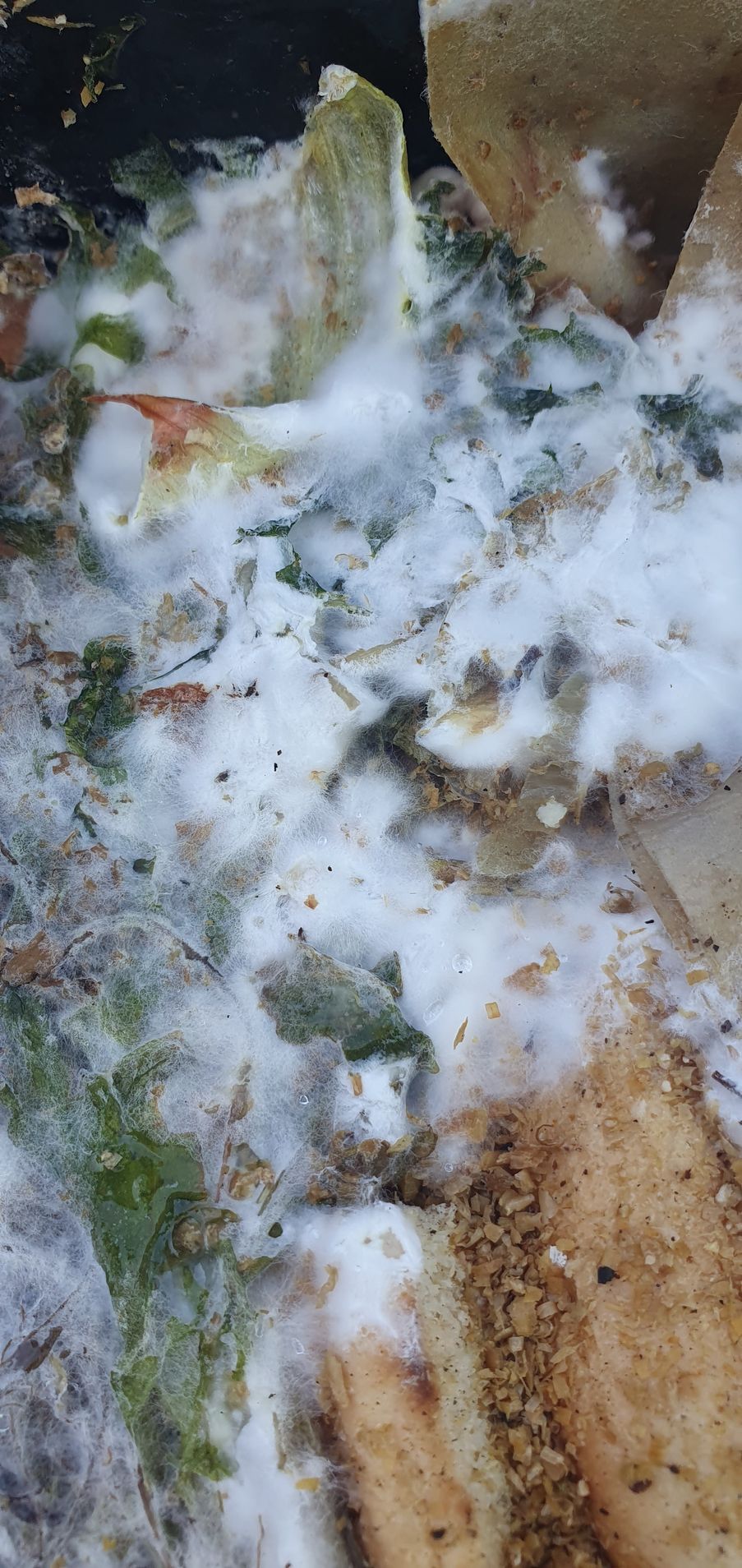
Mycelium is the white fuzz in bokashi that breaks down food, feeds plants, builds soil, and helps store carbon. It is a vital part of sustainable gardening.
Avoid the overwhelm and keep your vegetable garden steadily giving, all season long.
Septic Tanks require ongoing maintenance to keep the delicate ecosystem balanced and healthy. Zing Bokashi's Restart has been developed to keep your system clean, odour-free, and functioning well. Containing live cultures, this product breaks down organic waste, sludge, and algae in outlet pipes.
While any form of composting is a win for the planet, bokashi composting stands out as a faster, cleaner, and more nutrient-efficient alternative to simply burying food scraps. Read on to find out why we believe bokashi beats simply digging a hole and tossing food scraps in.
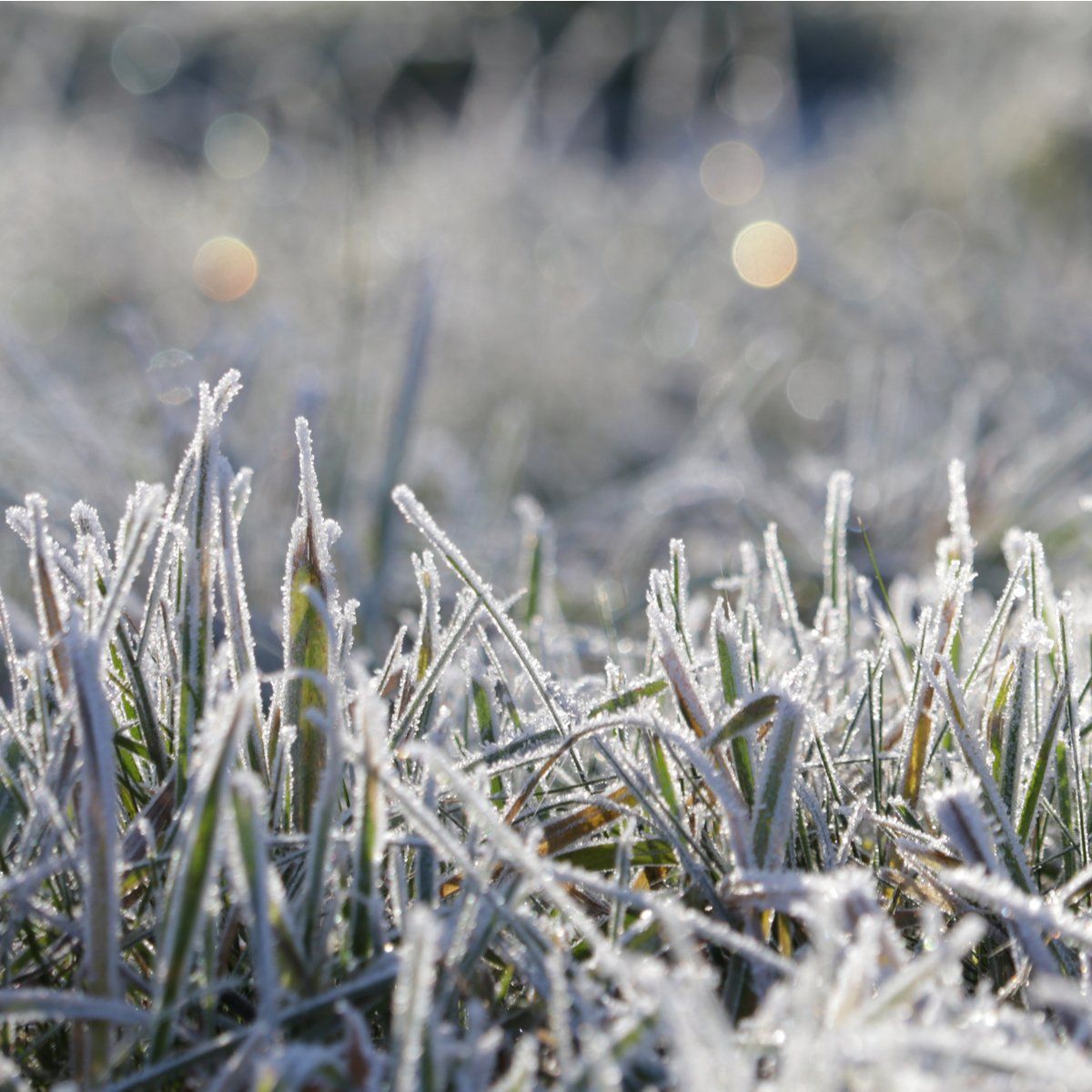
Winter is an important time in the gardening calendar, as what you do during this time can dictate how your garden performs in the next growing season. One of the more important principals of regenerative gardening is to ‘keep the ground covered ‘ while the second principal is to 'keep roots in the ground.’ We are probably too late to get roots in the ground at this time, however, let's briefly cover this point. 'Keep roots in the ground' The most effective way to achieve this is by green or cover cropping. This is simply a matter of growing a green manure crop in any bare soil. These should have been sown out in April or May at the latest. The most common green crop is either lupins or mustard. I prefer to use rye corn because it produces dense and bulky roots, in addition to a good amount of green leaf. The many advantages of green manuring are: The ground is covered and protected against wind, rain, and sun. Weed growth is inhibited or limited. The green manure's plant roots loosen and aerate the soil. The plant roots foster both humus growth and the soil crumb structure Plant roots provide an important food source for soil bacteria and other soil-living organisms. Any green manure crops should be cut down before flowering and while the stalks are still soft. Often, we forget about our garden until after we have removed our final summer and autumn harvest. Consequently, we have overlooked the need to ‘keep roots in the ground’ and thus have to revert to the second best method.
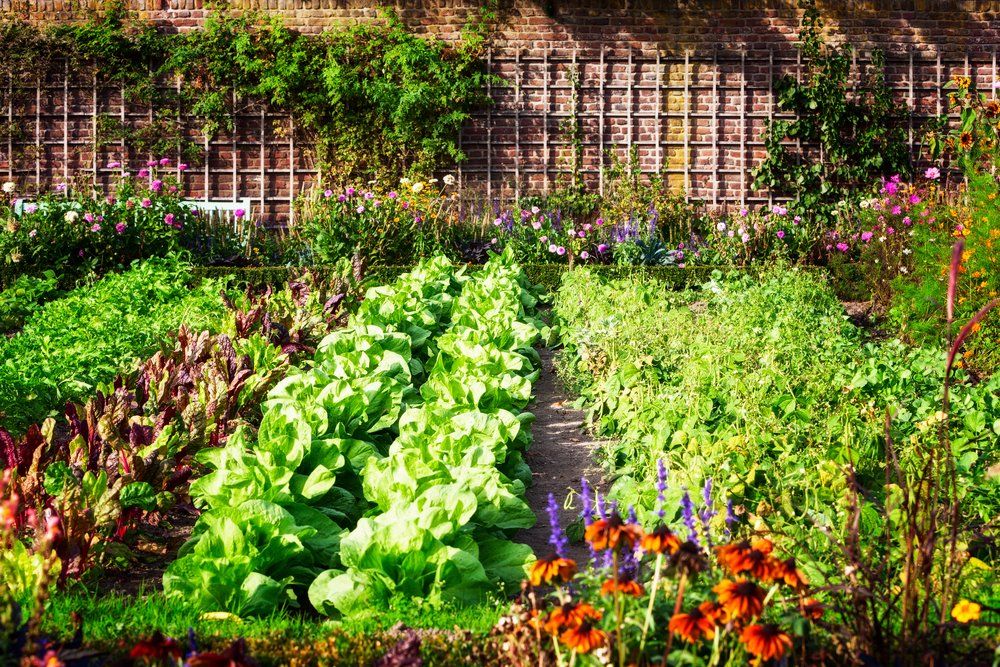
We are moving into summer, and I trust your garden is thriving. However, summer also means increasing temperatures and less rainfall which can lead to issues in the garden. The main issue is soil moisture loss which must be replaced by irrigation or watering. Water your garden either early in the morning or in the evening when temperatures are not so harsh. Watering in the heat of the day can cause leaf damage plus loss of water from evaporation. To reduce evaporation, you can also mulch around plants using good quality compost or pea straw. It’s best to ‘deep water’ once or twice a week rather than a little every day. Deep watering encourages plant roots to grow more deeply so they are better able to survive the ravages of summer heat. Increasing temperatures and regular watering creates a nice environment within the plant foliage, which provides ideal conditions for plant disease and insect infestations.